When Science Becomes Personal: A Father’s Mission to Fund What Others Won’t

NV-RDAC Member Profile: Dr. Craig Vincze, Ph.D. March 2026 | Member-by-Member Series

In May 2021, a 22-year-old University of Nevada, Reno student named Max Vincze noticed a small lump on his neck while studying for a final exam. He figured it was an infection left over from a cold. He went to the doctor for antibiotics.

The lump kept growing.

After weeks of referrals, specialists, scans, and biopsies, the diagnosis came: NUT carcinoma — one of the rarest and most aggressive cancers known to medicine. There is no FDA-approved treatment. The median survival from diagnosis is six to seven months. And at the time, only one research lab in the world was dedicated to studying it.

Max passed away in 2021. He was getting ready to start his life.

His father, Craig Vincze — a Ph.D. biomedical engineer who had spent 25 years helping researchers develop life-saving therapies — now had a question he couldn’t put down: If the science exists to fight this, why isn’t it being funded?

The answer led him to build a foundation, fund research at three of the nation’s leading cancer centers, and eventually take a seat on the Nevada Rare Disease Advisory Council — where he brings a perspective the rare disease community urgently needs: someone who understands both sides of the innovation pipeline, from the laboratory bench to the patient’s bedside.

The Gap That Rare Diseases Fall Into

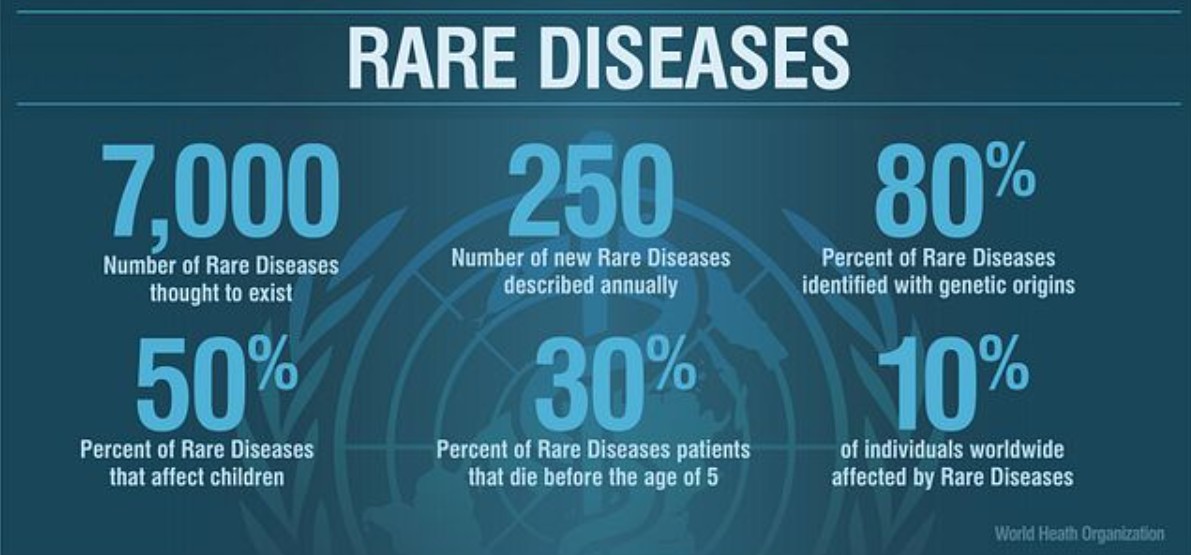
Here is a reality that most people never encounter until it’s their child, their sibling, or their parent: for the vast majority of the 7,000+ recognized rare diseases, there is no approved treatment.

The science often exists. Researchers at leading institutions are making breakthroughs in understanding the genetic and molecular mechanisms of rare conditions. But translating a laboratory discovery into a treatment that reaches a patient requires funding — and funding follows numbers. Pharmaceutical companies invest where the market is large. Government grants are competitive and slow. And for a disease that affects a few hundred or a few thousand people, the math rarely works in the patient’s favor.

This is the gap that families like the Vinczes fall into. And it’s the gap that Craig Vincze has spent the years since Max’s death working to close.

Building a Bridge From Lab to Patient

After Max passed, Craig and his wife Suzanne did something that most grieving parents wouldn’t have the expertise to do: they evaluated the research landscape.

Craig’s career had given him a rare vantage point. With a Ph.D. in biomedical engineering from the University of Nevada, Reno, and 25 years of leadership roles in the drug discovery and biotechnology industry, he understood how research pipelines work and where they break down. He had held roles at companies spanning the entire drug value chain, from discovery through manufacturing. He knew how to read the science, assess a lab’s readiness, and identify the projects most likely to make it from the bench to a phase one clinical trial.

So when the Vincze family learned about the work of Dr. Christopher French at Dana-Farber Cancer Institute — the researcher who first identified the NUT fusion oncogene and runs the only international registry for the disease — they didn’t just write a check. They conducted nearly a year of due diligence. Then they created the Max Vincze Foundation and made their first commitment: $100,000 to Dr. French’s lab.

That initial funding was pivotal. It enabled the creation of a critically-needed genetically engineered mouse model (GEMM) specifically for NUT carcinoma research — a tool that allows scientists to study the disease in a living system that closely mimics the human form. The GEMM led to new scientific insights, supported the publication of peer-reviewed research, and opened the door for additional labs to begin investigating treatments. Dr. French’s research findings, supported by the Max Vincze Foundation, are now being designed into a clinical trial.

The foundation has since expanded its funding to include research at the University of North Carolina and Stanford University. Each investment follows the same principle: find the science that is closest to making a real difference for patients, and give it the fuel to get there.

The Max Vincze Foundation was recently credited as a funder in a Dana-Farber study published in Nature Reviews Clinical Oncology revealing that NUT carcinoma is likely underdiagnosed because standard DNA testing misses the fusion genes that define the disease — a finding with immediate implications for how oncologists screen for and diagnose this cancer.

NUT Carcinoma: What You Should Know

~1,400 Estimated annual cases in the U.S. (likely underdiagnosed)

6–7 months Median survival from diagnosis

0 FDA-approved treatments

1 International registry (maintained at Dana-Farber)

3 Research institutions funded by the Max Vincze Foundation

NUT carcinoma is defined by a specific genetic fusion — the NUT gene joined to another gene (usually BRD4). It most commonly appears in the head, neck, or lungs, and disproportionately affects adolescents and young adults. Standard DNA testing misses the fusion genes that define the disease in more than 75% of cases, meaning many patients may be misdiagnosed or never diagnosed at all.

Why a Biomedical Engineer Belongs on the NV-RDAC

Most advisory councils are filled with clinicians, administrators, and patient advocates. Those voices are essential. But what happens when the council needs to understand why a promising treatment never reaches the patients who need it? Why a drug that works in a lab never makes it to a clinical trial? Why the research pipeline breaks and what it would take to fix it?

That’s where Craig Vincze’s expertise becomes irreplaceable.

As an NV-RDAC council member, Dr. Vincze brings a perspective grounded in the practical realities of moving science from discovery to delivery:

Understanding innovation pipelines. Craig has spent his career at the intersection of engineering and medicine building the tools, equipment, and processes that researchers and manufacturers need to develop and produce therapies. He understands the bottlenecks that slow the path from a laboratory discovery to an FDA-approved treatment, and he can translate that knowledge into policy recommendations that actually address root causes.

Evaluating research readiness. Not every promising study is ready for the next step. Craig’s experience in due diligence — assessing which research teams have the infrastructure, the data, and the scientific rigor to advance — helps the council think strategically about where Nevada’s investments in rare disease research can have the greatest impact.

Connecting Nevada to national research networks. Through the Max Vincze Foundation’s work with Dana-Farber, UNC, and Stanford, and through Craig’s participation in the BIO International Convention and the broader biotechnology community, he brings connections to national and global research efforts that can benefit Nevada’s rare disease community. His wife Suzanne’s role on the National Cancer Institute’s Targeting Fusion Oncoprotein in Childhood Cancers (TFCC) Steering Committee further deepens the family’s ties to the cutting edge of rare cancer science.

Bridging the gap between families and science. Craig knows what it’s like to search for answers in the middle of a crisis and find that the system isn’t built for rare. He can speak to researchers in their language and to families in theirs — a translation skill that makes the council’s work more effective and more human.

What This Means for Nevada’s Rare Disease Community

The Vincze family’s story illuminates a pattern that plays out across rare diseases: a family encounters a devastating diagnosis, discovers that the research and treatment infrastructure is inadequate, and then — if they have the resources and the resolve — builds what doesn’t exist.

But that model is not sustainable, and it’s not equitable. Not every family has a biomedical engineer who can evaluate a research lab’s readiness. Not every family can launch a foundation.

NV-RDAC exists to make sure they don’t have to.

The council’s work on research and collaboration, informed by members like Dr. Vincze, is focused on building systems that last beyond any one family’s fight:

Advocating for research funding pathways that support rare disease investigations at Nevada’s academic medical institutions, including the Kirk Kerkorian School of Medicine at UNLV and UNR’s School of Medicine.

Strengthening Nevada’s rare disease registry, which now includes 643 patient cases at 100% compliance with state reporting requirements, creating the data infrastructure that researchers need to study rare conditions at the population level.

Building connections to national collaboration networks so that Nevada families benefit from breakthroughs happening at institutions like Dana-Farber, regardless of geography.

Informing policy with innovation expertise so that legislative priorities reflect not just what families need today, but what the science will make possible tomorrow.

“Craig brings something to this council that you can’t learn from a textbook — he’s lived the gap between what science can do and what patients can access. He’s channeled the most devastating loss a parent can face into work that is literally changing the trajectory of research for one of the rarest cancers in the world. That combination of scientific expertise and personal mission makes him invaluable to NV-RDAC and to every family in Nevada navigating a rare disease.”

— Annette Logan-Parker, Chair, Nevada Rare Disease Advisory Council

About Dr. Craig Vincze, Ph.D.

Dr. Vincze is a biomedical engineer, biotechnology executive, and rare disease research advocate based in Reno, Nevada. He holds a PhD in Biomedical Engineering from the University of Nevada, Reno, where his dissertation research was patented by the university. His 25-year career spans drug discovery, laboratory automation, and biopharmaceutical manufacturing, with leadership roles at companies including Hamilton Company, ClickBio, and ARTeSYN Biosolutions.

Craig is the president of the Max Vincze Foundation, a 501(c)(3) private foundation funding rare adolescent and young adult cancer research, with active research partnerships at Dana-Farber Cancer Institute, the University of North Carolina, and Stanford University. He founded the NUT Carcinoma Alliance – Patient Advocates Advancing Research. He is a speaker at the BIO International Convention, NIIMBL: National Institute for Innovation in Manufacturing Biopharmaceuticals, and an NV-RDAC council member.


The Nevada Rare Disease Advisory Council was established by the Nevada Legislature in 2019 (SB 315) to improve awareness, diagnosis, treatment, and support for Nevadans living with rare diseases. Learn more at nvrdac.org.

NUT carcinoma is a rare, aggressive cancer with no FDA-approved treatment. If your family has been affected by NUT carcinoma or you are seeking information about diagnosis, research, or clinical trials, visit the International NUT Carcinoma Registry and the Max Vincze Foundation. You can also visit our website to find resources, connect with the council, or share your story.

Mallory Carvalho

Mallory Carvalho, MSW

Partnerships & Advocacy Liaison, Cure 4 The Kids Foundation | Las Vegas, NV

Mallory Carvalho is a social worker, advocate, and childhood cancer survivor whose professional and personal experiences uniquely position her to serve the rare disease community in Nevada.

As a former pediatric oncology patient at Cure 4 The Kids Foundation, Mallory brings firsthand understanding of the challenges children and families face when navigating complex diagnoses and care systems. She completed treatment in 2020 and went on to earn a Bachelor of Arts in Childhood Studies from Rutgers University – Camden and a Master of Social Work in Management and Community Practice from the University of Nevada, Las Vegas.

In her current role as Partnerships & Advocacy Liaison at Cure 4 The Kids Foundation, Mallory works at the intersection of healthcare, policy, and community outreach to advance access to care for children and families affected by cancer and rare diseases. Her expertise spans pediatric oncology, adolescent and young adult (AYA) advocacy, trauma-informed care, legislative engagement, and program development.

Mallory’s primary focus on the Council centers on strengthening Nevada’s rare disease framework to better reflect the needs of adolescents and young adults—a population that often falls between pediatric and adult systems of care—particularly in Southern Nevada. She is committed to ensuring the voices of children, families, and young people are represented at the policy level.

Mallory also works with Candlelighters Childhood Cancer Foundation of Nevada and the Nevada Cancer Coalition.

Every 15 Minutes, a Baby Is Born With a Heart That Needs Help

NV-RDAC Member Profile: Dr. William N. Evans, MD February 2026 | Member-by-Member Series

Nearly 40,000 babies are born with congenital heart disease in the United States every year. That’s one child every 15 minutes — making CHD the most common birth defect in the country and a leading cause of infant death.

Some of these babies will need open-heart surgery before they are old enough to hold their own head up. Some will need a lifetime of monitoring, procedures, and specialist care. And for every one of them, the first hours and days of life are defined by a single question: Is there someone nearby who knows how to help?

In Nevada, the answer to that question changed in 1980 — when a young cardiologist decided to build what the state didn’t have.

What Is Congenital Heart Disease?

Congenital heart disease, or CHD, refers to structural problems with the heart that are present at birth. The heart may have a hole where it shouldn’t, a valve that doesn’t open properly, or blood vessels that are connected in the wrong places. There are hundreds of distinct types, ranging from conditions that resolve on their own to critical defects that require immediate surgical intervention.

About 1 in 4 babies born with a heart defect has what’s called a critical CHD — a condition serious enough to require surgery or a catheter procedure within the first year of life. Without early detection and access to specialized care, these babies are at serious risk.

And here’s what most people don’t realize: many congenital heart defects are genetic in origin. A baby born with a specific cardiac abnormality may also carry a chromosomal condition like 22q11.2 deletion syndrome — also known as DiGeorge syndrome — which affects the immune system, development, speech, and learning throughout life. The heart is often the first clue that something broader is going on. The cardiologist who recognizes that connection can set a family on the right path years before they might otherwise find it.

That’s why congenital heart disease is a rare disease story — and why the physician who has dedicated his career to it now sits on the Nevada Rare Disease Advisory Council.

The Doctor Who Built Nevada’s Heart Program From Scratch

When Dr. William N. Evans arrived in Las Vegas in 1980, fresh from his fellowship at Children’s Hospital Los Angeles, there was no pediatric cardiology practice in the state of Nevada. None. A baby born with a critical heart defect had to be airlifted to Los Angeles or Salt Lake City. Parents packed bags not knowing if they’d bring their child home. Some couldn’t afford the trip. Some didn’t make it in time.

Dr. Evans opened the Children’s Heart Center of Nevada as a one-physician practice — and then spent the next four and a half decades building it into one of the largest and most successful pediatric cardiology programs in the country.

The numbers tell the story:

  • 20 physicians across Las Vegas, Reno, and Carson City
  • Nearly 50,000 patient contacts per year, including more than 2,500 fetal cardiac evaluations
  • More than 500 congenital heart surgeries performed annually — a volume that exceeds many programs nationwide
  • 150+ peer-reviewed publications advancing the science of congenital heart disease

Today, not only do Nevada families no longer have to leave the state for pediatric heart care — families from other states come to Nevada for it.

Understanding Congenital Heart Disease: By the Numbers

~40,000Babies born with CHD in the U.S. each year
1 in 100Births affected by a congenital heart defect
1 in 4CHD babies with a critical defect requiring surgery in year one
85%Prenatal detection rate for critical CHD in Nevada (2–3x national average)
500+Heart surgeries performed annually through the  Children’s Heart Center of Nevada
150+Peer-reviewed publications by Dr. Evans and colleagues

90 Percent: The Number That Changes Everything

If you’re a parent, here is the number that matters most: 90 percent.

That’s the percentage of critical congenital heart defects now detected before birth in Nevada. That rate is two to three times the national average — and it’s the result of decades of work by Dr. Evans and his team to build prenatal screening systems that actually catch these conditions early.

What does that mean for a family?

It means that 90 out of every 100 parents learn about their baby’s heart condition while there is still time. Time for the surgical team to prepare. Time for the neonatal intensive care unit to be ready. Time for the parents themselves to process, ask questions, and walk into that delivery room knowing there is a plan.

Compare that to a surprise diagnosis in the delivery room — a panicked transfer, a family separated across state lines, a baby on a ventilator with no one who expected this.

Dr. Evans’s most recent publication, Approaching Universal Prenatal Detection of Significant Cardiovascular Malformations in Nevada, documents the state’s progress toward catching virtually all significant heart defects before delivery. It is a body of work built on a conviction that resonates across the entire rare disease community: finding it early changes everything.

What NV-RDAC Is Doing About It

Dr. Evans serves on the Nevada Rare Disease Advisory Council because he has spent 45 years solving a problem the council is now working to solve statewide: how do you build the specialty infrastructure that keeps families close to home and gets them answers early?

His experience informs the council’s work on its most urgent priorities:

Building specialist capacity in Nevada. Dr. Evans grew a one-physician practice into a 20-physician program that now trains and retains cardiologists in-state. NV-RDAC is advocating for the same model across other pediatric specialties — fellowship funding, recruitment pipelines, and incentives to keep specialists in Nevada rather than losing them to larger markets.

Expanding early detection. The council’s legislative agenda includes expanding access to genetic testing and newborn screening. Dr. Evans’s prenatal detection work is the proof of concept: when you invest in early screening infrastructure, survival rates go up and families spend less time in crisis.

Coordinating care across specialties. For children with complex CHD and overlapping genetic conditions, fragmented care isn’t just frustrating — it’s dangerous. NV-RDAC is working to establish care coordination standards that connect the cardiologist, the geneticist, the school, and the family into a single plan.

Keeping care in Nevada. More than half of rare disease families in the state report traveling out of state for treatment. The Children’s Heart Center Nevada is the proof that it doesn’t have to be that way. The council’s 2026–2028 Strategic Plan is built around replicating that kind of success across rare disease specialties statewide.

“Bill Evans is one of those rare people who changed what an entire state thought was possible. He arrived when there was nothing and built something families now travel to Nevada for. I’ve watched him mentor, advocate, and fight for children for years — and he does it with a humility that makes everyone around him better. He’s not just a colleague I admire. He’s a friend I cherish, and NV-RDAC is stronger because he’s at the table.”

— Annette Logan-Parker, Chair, Nevada Rare Disease Advisory Council

About Dr. William N. Evans, MD

Dr. Evans is a Professor of Clinical Pediatrics at the Kirk Kerkorian School of Medicine at UNLV and Director of the Children’s Heart Center Nevada, which he founded in 1980. He received his medical degree from the University of California, Irvine, and completed his pediatric residency and cardiology fellowship at Children’s Hospital Los Angeles.

Board certified in both Pediatrics and Pediatric Cardiology, he is a Fellow of the American College of Cardiology and the American Academy of Pediatrics. Over his career, he has served as Chief of Pediatrics and Chief of Staff at Sunrise Children’s Hospital, founded the Las Vegas Pediatric Society, and authored or co-authored more than 150 peer-reviewed publications advancing the understanding and treatment of congenital heart disease. His research interests include prenatal detection of CHD, vascular rings, situs abnormalities, and the history of pediatric cardiology. He speaks Spanish.


The Nevada Rare Disease Advisory Council was established by the Nevada Legislature in 2019 (SB 315) to improve awareness, diagnosis, treatment, and support for Nevadans living with rare diseases. Learn more at nvrdac.org.

Congenital heart disease is a lifelong condition. If your child has been diagnosed with CHD or you are navigating a complex cardiac and genetic diagnosis, visit our website to find resources, connect with the council, or share your story.

Madison Bowe

Madison Bowe

Rare Disease Advocate | Patient Leader | Emergency Services Student

Madison Bowe is a passionate advocate and emerging leader in the rare disease community, living with Stiff Person Syndrome (SPS)—a one-in-a-million autoimmune neuromovement disorder—along with Gastroparesis and other rare comorbidities. Diagnosed at 29, Madison has transformed her personal health challenges into a mission to improve access, equity, and compassionate care for all individuals living with rare diseases in Nevada.

Drawing on her background in Emergency Services and her lived experience as both a patient and advocate, Madison brings a unique perspective to the Nevada Rare Disease Advisory Council. She is committed to advancing policies that enhance emergency response protocols for rare disease patients, reduce barriers to transportation and continuity of care, and improve the cultural and linguistic inclusivity of healthcare resources across Nevada.

Madison serves as an active participant in Rare Across America and the Rare Disease Legislative Advocates (RDLA) Young Adult Representatives of Rare Diseases (YARR) program through the EveryLife Foundation for Rare Diseases, where she mentors, educates, and collaborates with advocates nationwide on legislative initiatives such as the Safe Step Act. She has also contributed to Global Genes’ Rare Compassion Program, helping medical students better understand the human experience behind rare diagnoses and the importance of empathetic, patient-centered care.

As a woman of Hispanic and African American heritage, Madison is a strong voice for diversity and equity within the rare disease community. She is developing initiatives to expand access to Spanish-language resources and culturally responsive outreach for patients and families in Nevada.

Madison’s passion, resilience, and firsthand understanding of systemic challenges make her a vital advocate for building a more inclusive, informed, and compassionate rare disease ecosystem—one where every patient’s voice is heard and valued.

Dr. William Evans, MD

Dr. William Evans, MD

Professor of Clinical Pediatrics, Kirk Kerkorian School of Medicine at UNLV
Director, Children’s Heart Center Nevada | Las Vegas, NV

Dr. William N. Evans is a board-certified pediatric cardiologist and Professor of Clinical Pediatrics at the Kirk Kerkorian School of Medicine at UNLV. He has been a cornerstone of pediatric cardiology in Nevada since 1980, when he established the Children’s Heart Center Nevada—now recognized as one of the region’s leading centers for the diagnosis and treatment of congenital heart disease.

A graduate of the University of California, Irvine (B.S., M.D.), Dr. Evans completed his pediatric residency and pediatric cardiology fellowship at Children’s Hospital Los Angeles. Over his four-decade career, he has served as Chief of Pediatrics and Chief of Staff at Sunrise Children’s Hospital, and holds active appointments at multiple hospitals across Southern Nevada.

Dr. Evans is board certified in both Pediatrics and Pediatric Cardiology by the American Board of Pediatrics, and is a Fellow of the American College of Cardiology and the American Academy of Pediatrics. His research interests include prenatal detection of congenital heart disease, vascular rings, situs abnormalities, and the history of pediatric cardiology. He has authored or co-authored more than 150 peer-reviewed publications and book chapters advancing the field of congenital heart disease.

As a member of the Nevada Rare Disease Advisory Council, Dr. Evans contributes his deep expertise in congenital and genetic cardiac conditions, helping guide statewide initiatives to improve early detection, care coordination, and outcomes for children with rare and complex diseases.