Every 15 Minutes, a Baby Is Born With a Heart That Needs Help

NV-RDAC Member Profile: Dr. William N. Evans, MD February 2026 | Member-by-Member Series

Nearly 40,000 babies are born with congenital heart disease in the United States every year. That’s one child every 15 minutes — making CHD the most common birth defect in the country and a leading cause of infant death.

Some of these babies will need open-heart surgery before they are old enough to hold their own head up. Some will need a lifetime of monitoring, procedures, and specialist care. And for every one of them, the first hours and days of life are defined by a single question: Is there someone nearby who knows how to help?

In Nevada, the answer to that question changed in 1980 — when a young cardiologist decided to build what the state didn’t have.

What Is Congenital Heart Disease?

Congenital heart disease, or CHD, refers to structural problems with the heart that are present at birth. The heart may have a hole where it shouldn’t, a valve that doesn’t open properly, or blood vessels that are connected in the wrong places. There are hundreds of distinct types, ranging from conditions that resolve on their own to critical defects that require immediate surgical intervention.

About 1 in 4 babies born with a heart defect has what’s called a critical CHD — a condition serious enough to require surgery or a catheter procedure within the first year of life. Without early detection and access to specialized care, these babies are at serious risk.

And here’s what most people don’t realize: many congenital heart defects are genetic in origin. A baby born with a specific cardiac abnormality may also carry a chromosomal condition like 22q11.2 deletion syndrome — also known as DiGeorge syndrome — which affects the immune system, development, speech, and learning throughout life. The heart is often the first clue that something broader is going on. The cardiologist who recognizes that connection can set a family on the right path years before they might otherwise find it.

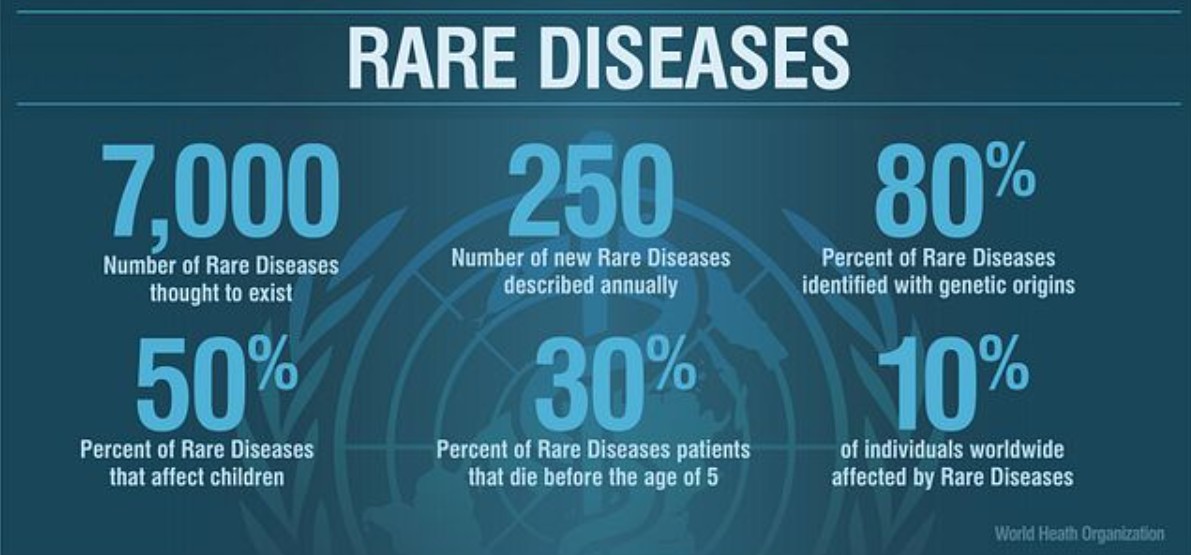
That’s why congenital heart disease is a rare disease story — and why the physician who has dedicated his career to it now sits on the Nevada Rare Disease Advisory Council.

The Doctor Who Built Nevada’s Heart Program From Scratch

When Dr. William N. Evans arrived in Las Vegas in 1980, fresh from his fellowship at Children’s Hospital Los Angeles, there was no pediatric cardiology practice in the state of Nevada. None. A baby born with a critical heart defect had to be airlifted to Los Angeles or Salt Lake City. Parents packed bags not knowing if they’d bring their child home. Some couldn’t afford the trip. Some didn’t make it in time.

Dr. Evans opened the Children’s Heart Center of Nevada as a one-physician practice — and then spent the next four and a half decades building it into one of the largest and most successful pediatric cardiology programs in the country.

The numbers tell the story:

  • 20 physicians across Las Vegas, Reno, and Carson City
  • Nearly 50,000 patient contacts per year, including more than 2,500 fetal cardiac evaluations
  • More than 500 congenital heart surgeries performed annually — a volume that exceeds many programs nationwide
  • 150+ peer-reviewed publications advancing the science of congenital heart disease

Today, not only do Nevada families no longer have to leave the state for pediatric heart care — families from other states come to Nevada for it.

Understanding Congenital Heart Disease: By the Numbers

~40,000Babies born with CHD in the U.S. each year
1 in 100Births affected by a congenital heart defect
1 in 4CHD babies with a critical defect requiring surgery in year one
85%Prenatal detection rate for critical CHD in Nevada (2–3x national average)
500+Heart surgeries performed annually through the  Children’s Heart Center of Nevada
150+Peer-reviewed publications by Dr. Evans and colleagues

90 Percent: The Number That Changes Everything

If you’re a parent, here is the number that matters most: 90 percent.

That’s the percentage of critical congenital heart defects now detected before birth in Nevada. That rate is two to three times the national average — and it’s the result of decades of work by Dr. Evans and his team to build prenatal screening systems that actually catch these conditions early.

What does that mean for a family?

It means that 90 out of every 100 parents learn about their baby’s heart condition while there is still time. Time for the surgical team to prepare. Time for the neonatal intensive care unit to be ready. Time for the parents themselves to process, ask questions, and walk into that delivery room knowing there is a plan.

Compare that to a surprise diagnosis in the delivery room — a panicked transfer, a family separated across state lines, a baby on a ventilator with no one who expected this.

Dr. Evans’s most recent publication, Approaching Universal Prenatal Detection of Significant Cardiovascular Malformations in Nevada, documents the state’s progress toward catching virtually all significant heart defects before delivery. It is a body of work built on a conviction that resonates across the entire rare disease community: finding it early changes everything.

What NV-RDAC Is Doing About It

Dr. Evans serves on the Nevada Rare Disease Advisory Council because he has spent 45 years solving a problem the council is now working to solve statewide: how do you build the specialty infrastructure that keeps families close to home and gets them answers early?

His experience informs the council’s work on its most urgent priorities:

Building specialist capacity in Nevada. Dr. Evans grew a one-physician practice into a 20-physician program that now trains and retains cardiologists in-state. NV-RDAC is advocating for the same model across other pediatric specialties — fellowship funding, recruitment pipelines, and incentives to keep specialists in Nevada rather than losing them to larger markets.

Expanding early detection. The council’s legislative agenda includes expanding access to genetic testing and newborn screening. Dr. Evans’s prenatal detection work is the proof of concept: when you invest in early screening infrastructure, survival rates go up and families spend less time in crisis.

Coordinating care across specialties. For children with complex CHD and overlapping genetic conditions, fragmented care isn’t just frustrating — it’s dangerous. NV-RDAC is working to establish care coordination standards that connect the cardiologist, the geneticist, the school, and the family into a single plan.

Keeping care in Nevada. More than half of rare disease families in the state report traveling out of state for treatment. The Children’s Heart Center Nevada is the proof that it doesn’t have to be that way. The council’s 2026–2028 Strategic Plan is built around replicating that kind of success across rare disease specialties statewide.

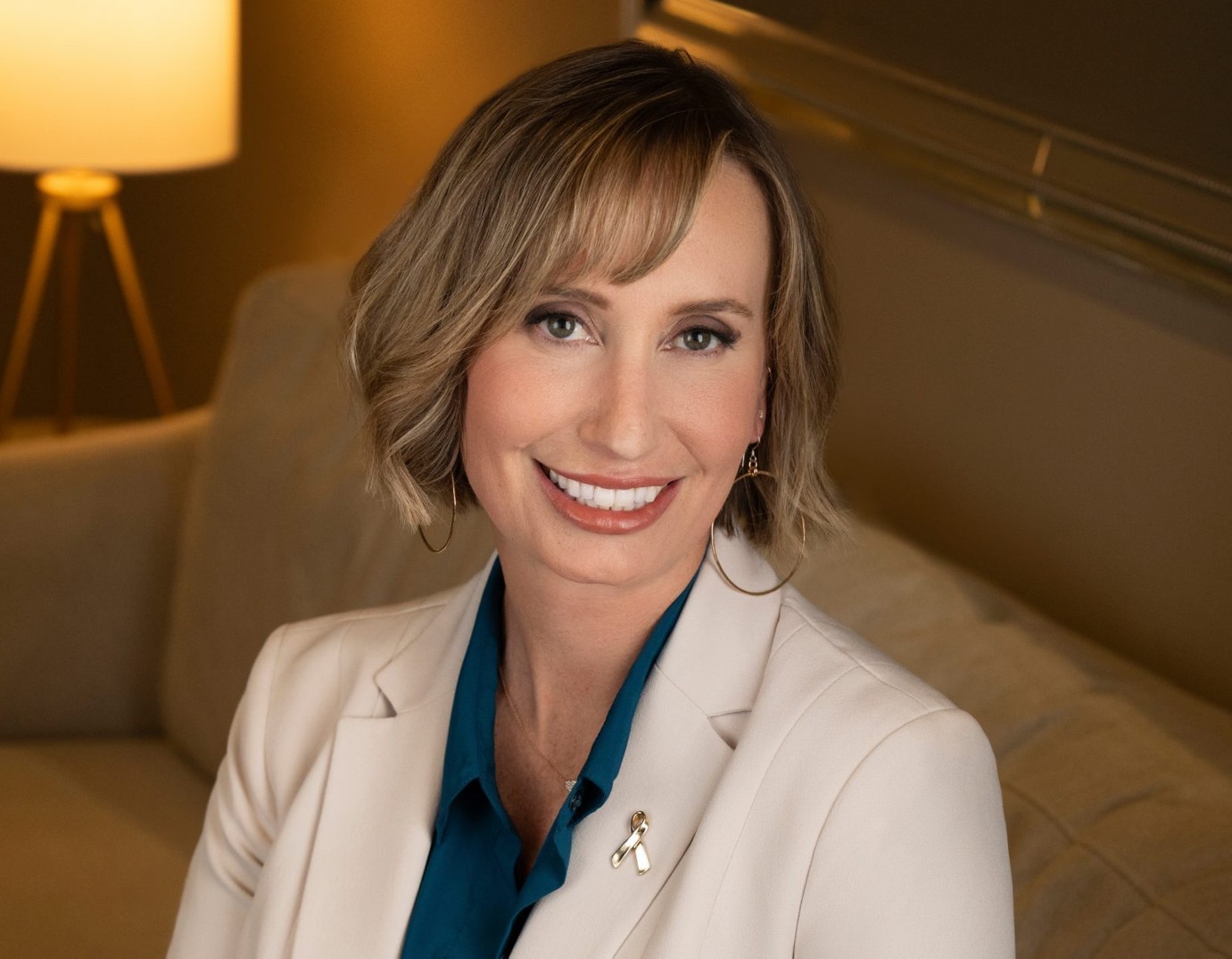
“Bill Evans is one of those rare people who changed what an entire state thought was possible. He arrived when there was nothing and built something families now travel to Nevada for. I’ve watched him mentor, advocate, and fight for children for years — and he does it with a humility that makes everyone around him better. He’s not just a colleague I admire. He’s a friend I cherish, and NV-RDAC is stronger because he’s at the table.”

— Annette Logan-Parker, Chair, Nevada Rare Disease Advisory Council

About Dr. William N. Evans, MD

Dr. Evans is a Professor of Clinical Pediatrics at the Kirk Kerkorian School of Medicine at UNLV and Director of the Children’s Heart Center Nevada, which he founded in 1980. He received his medical degree from the University of California, Irvine, and completed his pediatric residency and cardiology fellowship at Children’s Hospital Los Angeles.

Board certified in both Pediatrics and Pediatric Cardiology, he is a Fellow of the American College of Cardiology and the American Academy of Pediatrics. Over his career, he has served as Chief of Pediatrics and Chief of Staff at Sunrise Children’s Hospital, founded the Las Vegas Pediatric Society, and authored or co-authored more than 150 peer-reviewed publications advancing the understanding and treatment of congenital heart disease. His research interests include prenatal detection of CHD, vascular rings, situs abnormalities, and the history of pediatric cardiology. He speaks Spanish.


The Nevada Rare Disease Advisory Council was established by the Nevada Legislature in 2019 (SB 315) to improve awareness, diagnosis, treatment, and support for Nevadans living with rare diseases. Learn more at nvrdac.org.

Congenital heart disease is a lifelong condition. If your child has been diagnosed with CHD or you are navigating a complex cardiac and genetic diagnosis, visit our website to find resources, connect with the council, or share your story.